ENTERPRISE EXECUTIVE | STRATEGIC GOVERNANCE & ADVISORYClarity inside Complexity
I work with owners, CEOs, and business leaders on the difficult decisions between strategy and governance — and test whether direction and execution still connect.
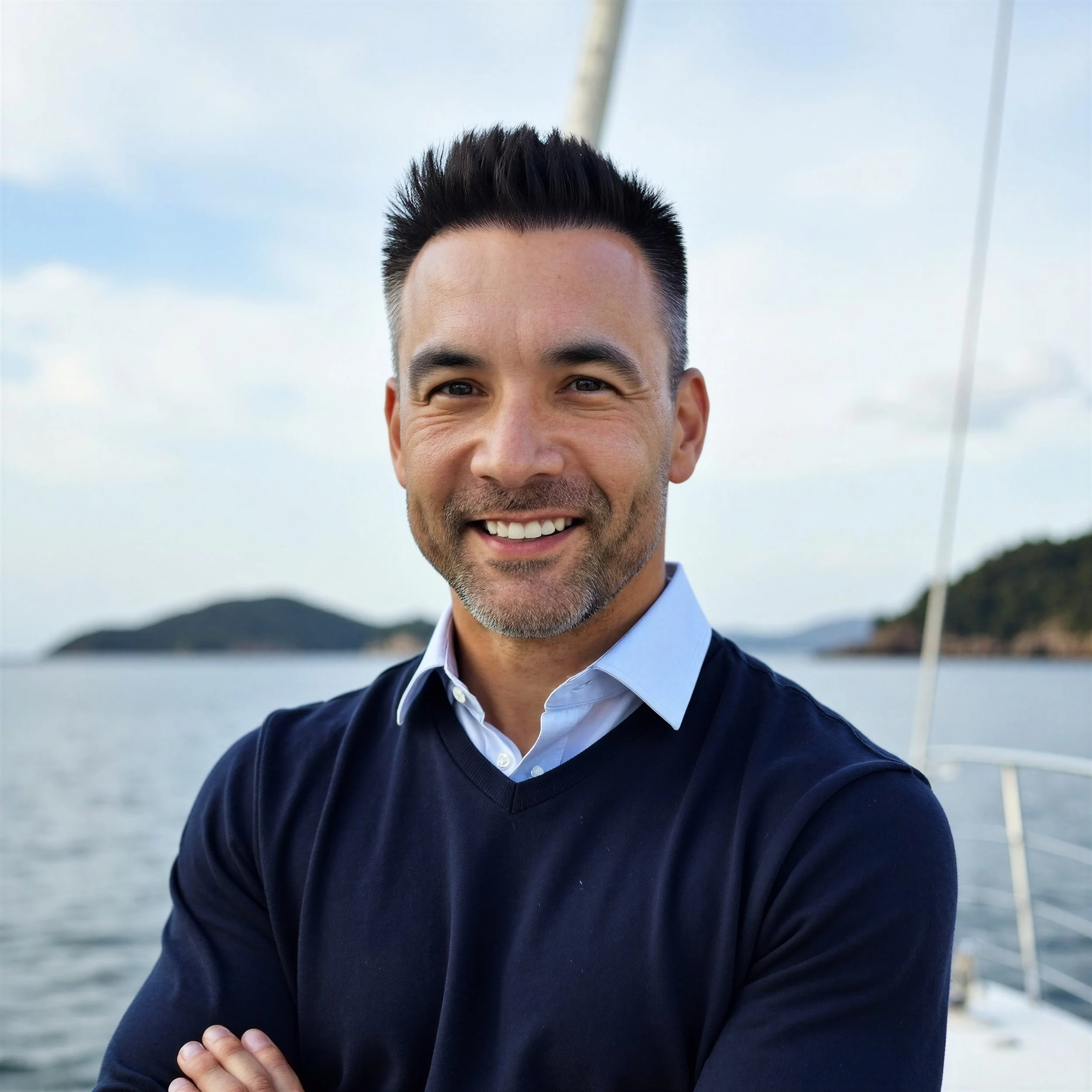
I am an enterprise executive whose perspective has been shaped as a founder, enterprise operator, and advisor to leadership teams. Today, my practice is strategic governance and advisory, working alongside owners, CEOs, and business leaders.
Over more than twenty-five years, I have built and transitioned two companies, been embedded inside dozens of organizations as they navigated growth, transformation, mergers, and acquisitions, and designed governance and operating systems for growing enterprises. My experience spans founder-led businesses, international industrial organizations, and seventeen years inside a governance-intensive public company, providing a comparative perspective on how organizations evolve and how better decisions are made.
What has remained consistent across all of it is the same challenge: as organizations grow, complexity increases faster than visibility. Leadership requires more than information — it requires judgment, care, and a sense of stewardship from within.
"Most of the risk — and most of the opportunity — sits inside what is not immediately visible."
Founder-Led to
Enterprise Environments
Experience spanning founder-led and second-generation businesses through to public companies and global enterprise environments.
Global
Operating Experience
Experience working alongside leadership teams across diverse industries, cultures, and operating environments throughout the Americas, Asia, Africa, and Europe.
Owner &
Board-Level Perspective
Perspective shaped by working alongside owners, CEOs, and boards as organizations grow, governance evolves, and important decisions become more complex.
My work today centres on strategic governance and advisory through Kerrisdale Management Consulting Inc., informed by The Owner's Lens™ — my framework for seeing the business from the position of ownership — and a growing focus on how artificial intelligence is reshaping executive judgment, governance, and organizational design.
I work alongside owners, CEOs, boards, and leadership teams — bringing judgment, care, and a sense of stewardship to the decisions that matter when complexity exceeds certainty.